
Federal nutrition policy in the United States is primarily anchored by joint work between the Department of Health and Human Services (HHS) and the Department of Agriculture (USDA). These agencies synthesize extensive peer-reviewed evidence to update national dietary guidelines every five years, creating the foundation for school lunch programs, institutional food procurement, and public nutrition education.
The Mandate of Joint Dietary Guidelines for Americans
Since the passage of the National Nutrition Monitoring and Related Research Act, both departments are legally tasked with issuing evidence-based dietary recommendations. The advisory committee reviews nutritional biochemistry, epidemiological data, and clinical trial outcomes across all demographic stages, from infancy through older adulthood. Rather than promoting restrictive dietary fads, their reports emphasize nutrient density, adequate dietary fiber, balanced lean proteins, and the moderation of saturated fats and refined sweeteners.
“Evidence-based federal nutrition frameworks bridge clinical research and everyday community plates, making balanced food choices more transparent and actionable for everyone.”
— Olivia Thomas, Nutrition Policy Analyst
Front-of-Package Labeling and Consumer Literacy Initiatives
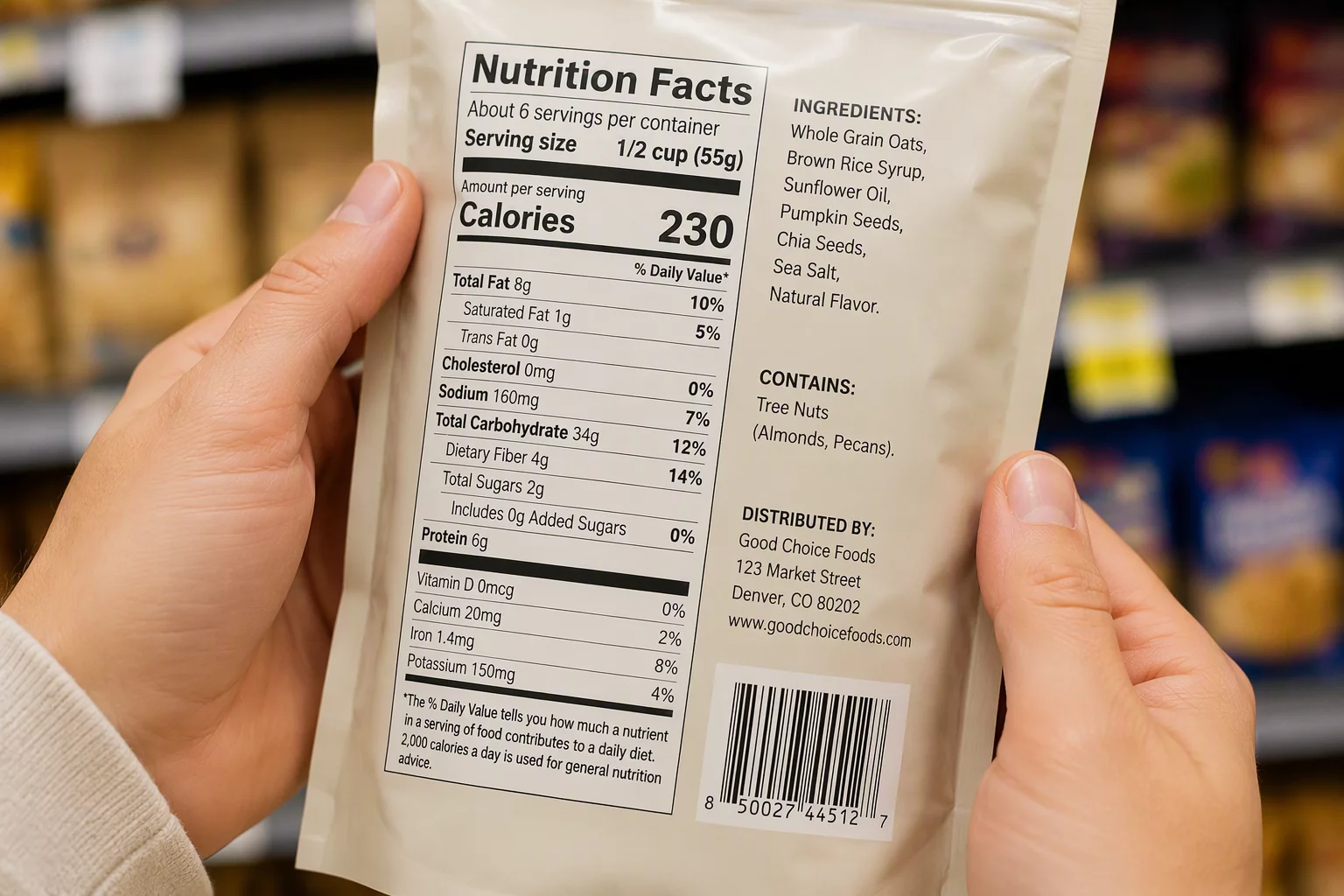
A major focus of current agency efforts centers on consumer communication at the grocery shelf. Standard nutrition facts panels provide essential details, but rapid decision-making often demands intuitive visual indicators. HHS and the FDA continue refining standardized front-of-package symbols that flag excessive sodium, saturated fats, and added sugars in prepackaged goods. These markers help shoppers quickly compare items and encourage manufacturers to reformulate processed recipes toward healthier nutrient profiles.
Core Pillars of Modern Federal Policy
- Lifespan Approach: Tailored nutritional targets addressing specific needs from early childhood to healthy aging.
- Whole Food Emphasis: Prioritizing unrefined grains, whole fruits, legumes, vegetables, and quality protein sources.
- Institutional Alignment: Ensuring federal food assistance programs adhere to up-to-date scientific thresholds.
- Clear Labeling: Simplifying ingredient disclosures and nutritional markers on packaged consumer goods.
Translating these federal policies into sustained personal habits requires understanding the underlying recommendations. When athletes, families, and wellness enthusiasts align their daily meals with balanced nutritional baselines, they support long-term energy availability and metabolic well-being without relying on extreme or unverified dietary trends.
Community Discussion
Verified MembersNo comments yet. Be the first to leave a comment.