
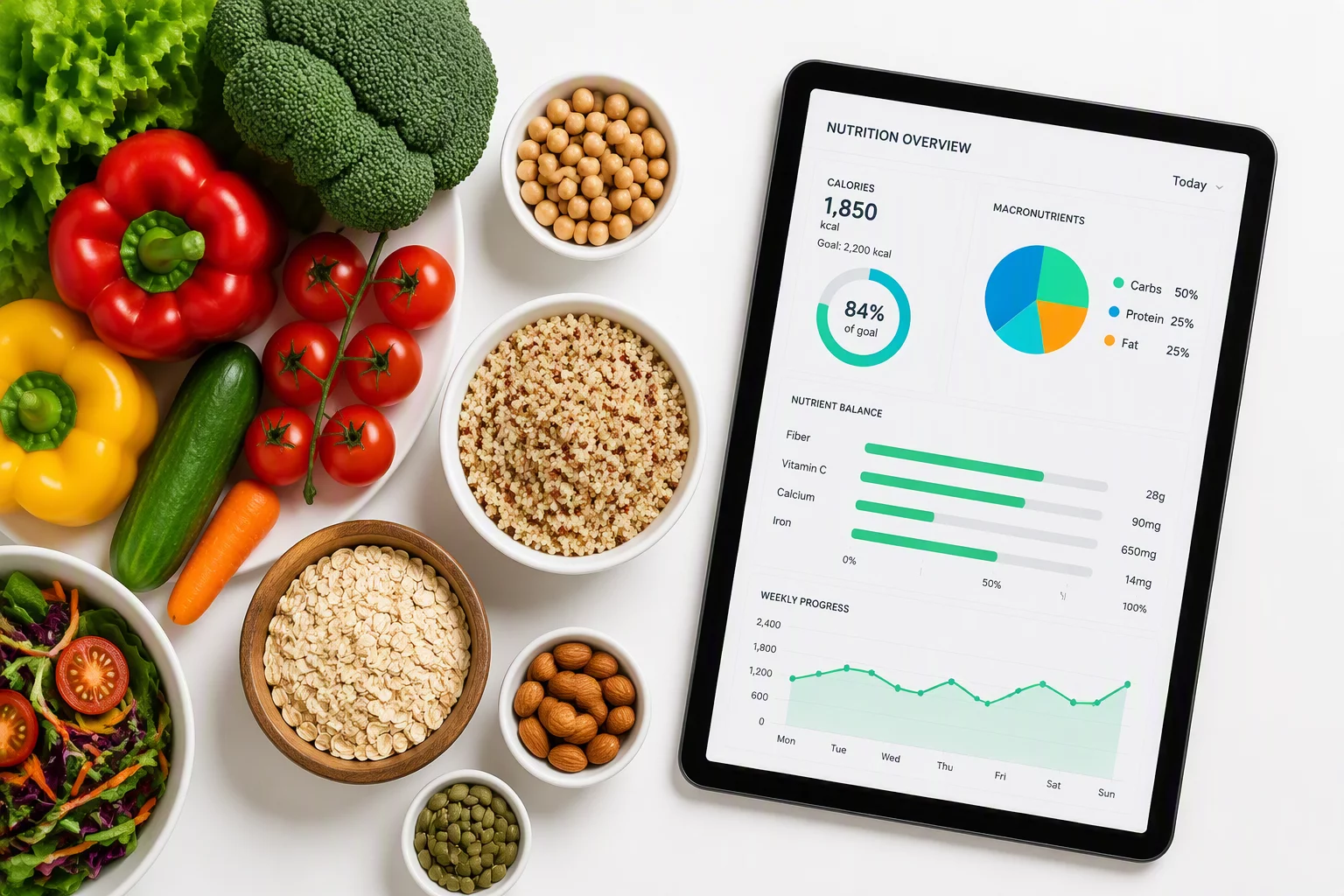
The CDC National Nutrition Report offers a practical look at nationwide eating patterns. By reviewing population-level survey data, the findings help readers understand how everyday food choices connect to broader nutrition trends.
Key Nutrition Findings Across Population Groups
The report notes notable differences across age groups, showing that many Americans consume enough calories but may fall short on vitamins and minerals such as vitamin D, iron, and omega-3s. Processed food patterns often replace more nutrient-dense whole foods, which can affect overall wellness markers.
Actionable Strategies for Everyday Dietary Balance
Translating population-level nutrition reports into daily practice requires focusing on dietary diversity and nutrient absorption. Emphasizing unprocessed colorful vegetables, cold-water fatty fish, lean proteins, legumes, and whole grains directly addresses the primary nutrition indicator gaps highlighted in the federal data. Regular physical activity further enhances nutrient assimilation and body blood sugar response.
Primary Report Takeaways
- Nutrient density matters more than total calories alone.
- Population surveys show common low levels of Vitamin D and Omega-3s.
- A variety of whole foods helps the body absorb and use nutrients more effectively.
Understanding these systemic trends enables individuals and health coaches to make informed, practical adjustments to meal composition. Prioritizing nutrient-dense, minimally processed foods creates a sustainable foundation for long-term health, athletic vitality, and energy-related resilience.
Community Discussion
Verified MembersNo comments yet. Be the first to leave a comment.