
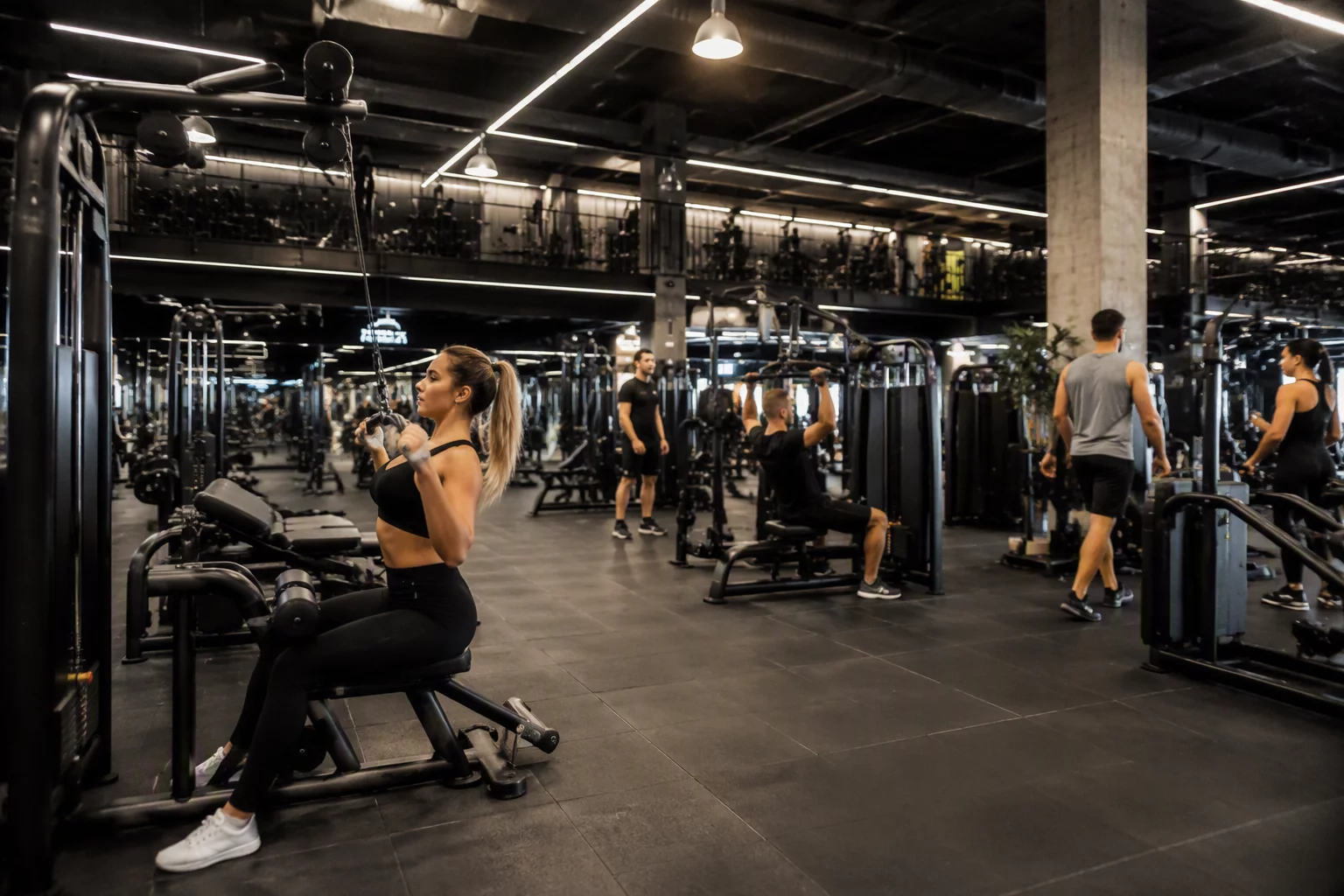
Commercial fitness facilities across the country are experiencing an unprecedented surge in monthly attendance numbers, according to the latest benchmarking metrics published by the Health & Fitness Association (HFA). Gym operators report sustained utilization rates that exceed prepandemic benchmarks across almost all regional markets.
Drivers Behind the In-Person Fitness Boom
While hybrid training options remain prevalent, members consistently choose dedicated athletic spaces for heavy lifting, specialized resistance machines, and social accountability. Facility operators point toward a clear behavioral transition: consumers view structured physical training as foundational preventive healthcare rather than optional recreation. Group fitness classes and open gym floors both record steady foot-traffic increases during peak morning and evening intervals.
Facility Adaptations and Long-Term Member Retention
To accommodate growing foot traffic, modern clubs are actively reconfiguring floor plans. Traditional rows of repetitive cardio equipment are making way for expanded free-weight platforms, functional turf lanes, and mobility recovery bays. Operators who invest in spacious floor plans and equipment availability report significantly higher ninety-day retention rates among new joiners.
Key Takeaways from the HFA Report
- Monthly attendance figures demonstrated double-digit growth across suburban and metropolitan clubs.
- Free-weight and functional training zones experienced the highest hourly machine utilization.
- Structured recovery spaces contribute directly to higher monthly member check-in frequencies.
Consistency remains the definitive hallmark of this growth phase. The steady influx of both novice lifters and seasoned athletes suggests that commercial fitness centers will continue serving as central pillars for community-driven health routines throughout the upcoming seasons.
Community Discussion
Verified MembersNo comments yet. Be the first to leave a comment.