
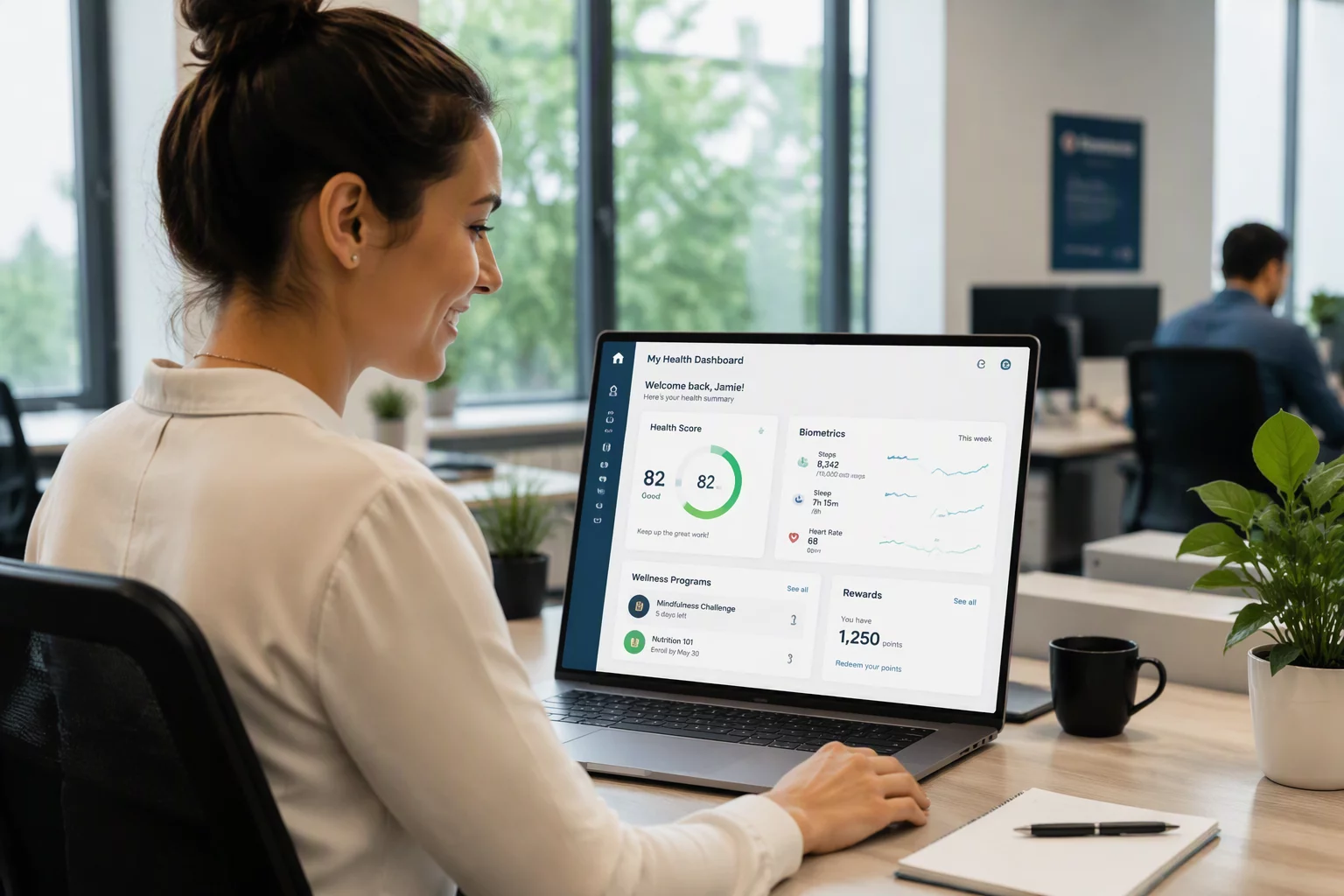
Corporate wellness programs across the United States are undergoing a structural shift as the Vitality AI platform introduces hyper-personalized behavioral science directly to employee smartphones and wearables.
From Generic Benchmarks to Adaptive Coaching
Traditional workplace wellness initiatives often relied on rigid 10,000-step goals that left many participants discouraged. The Vitality AI expansion recalibrates daily targets based on historical activity baselines, recovery trends, and seasonal shifts. When an employee experiences a high-stress schedule or incomplete sleep cycle, the platform adjusts expectations toward restorative movement rather than punitive benchmarks. This dynamic personalization maintains participant motivation while discouraging burnout.
Measurable Health Outcomes and Preventive Engagement
Data collected during initial pilot rollouts demonstrates a 28% increase in sustained weekly active minutes among previously sedentary desk workers. By integrating nutritional guidance, sleep hygiene reminders, and micro-movement suggestions into everyday workflows, organizations witness tangible improvements in workforce vitality. Employers report reduced absenteeism alongside higher participation in annual preventive health screenings.
Key Advantages of AI-Driven Wellness
- Tailored physical milestones adapt dynamically to real-time biometric indicators.
- Actionable nudges encourage frequent breaks without interrupting productivity.
- Transparent progress tracking empowers individuals to build lifelong healthy routines.
As the platform expands across various industrial and commercial sectors in the United States, its predictive model continues to refine how everyday lifestyle modifications influence long-term well-being. By turning complex biometric logs into simple, achievable daily objectives, modern technology finally bridges the gap between health intentions and daily execution.
Community Discussion
Verified MembersNo comments yet. Be the first to leave a comment.